
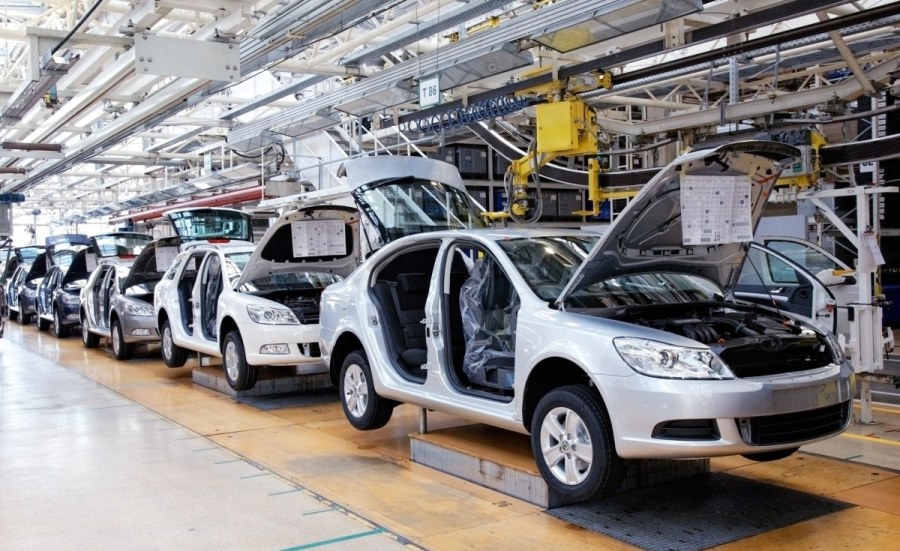
Due to new modes of use linked to sharing rather than ownership, the vehicle fleet is turning to new business models that make it possible to increase vehicle mobility. Connectivity and technological innovations are at the service of mobility to limit vehicles’ carbon footprint, improve driver safety, and anticipate breakdowns. Here are three major trends in the automotive industry.
Connectivity Solutions for Green Mobility
Today technology makes it possible to improve the driver’s experience in new use (car-sharing, autonomous vehicles, carpooling, etc.). Still, it also offers solutions for sustainable mobility that is more respectful of the environment.
Beyond electric or hybrid motors, which emit significantly less CO2 emissions than heat engines, some manufacturers have developed fleet monitoring solutions, increasingly popular with fleet managers to improve their environmental performance and efficiency Productivity.
These on-board telematics systems make it possible in particular to:
- Geolocate vehicles in real-time by GPS to optimize their movements;
- Alert the driver via his smartphone as well as the fleet manager in the event of an incident to improve the driver’s safety and guide him through the procedures to follow;
- Reduce fuel consumption and the environmental footprint of its customers by limiting engine Stoppages, Overspeed, and detours, in particular, thanks to the eco-driving assistant;
- Accurately measure mileage and C02 emissions anonymously to reward the most virtuous fleets with different certification levels (the fleets showing the best performance can promote their environmental approach to their customers).
5g to Streamline Traffic and Secure Road users
5G also appeals to the automotive industry because it makes it possible to:
- You can Rent a Car in Islamabad with 5G technology.
- Streamline traffic by quickly exchanging data from car to car and thus tracing traffic;
- Improve emergency braking: for example, a connected car in 5G in an accident situation can warn the cars behind it in less than a millisecond and thus improve their braking distance (a connected car traveling at 130 k / h , connected in 5G and warned of an accident can stop in 84.7 m instead of 120 m and these few tens of meters gained are enough to save many lives);
- Make vehicles even more autonomous by increasing data flow via many connected objects from outside (sensors of other cars, sensors of urban furniture, etc.).
Predictive Maintenance Thanks To Technological Innovations
In an automotive sector that is gradually slipping from a property economy to a sharing economy, we witness an intensification of vehicle use. With rental, car-sharing, carpooling, and VTC trips, the number of users and passengers increases, and mileage increases significantly. This is why maintenance becomes an essential link in meeting the needs of these new forms of mobility.
PSA has understood this well by launching its Free2move application, a car-sharing service for individuals and professionals with increasingly connected cars to identify breakdowns very early and warn the driver that it is time to go to the garage.
Also, with an electric vehicle market that continues to grow and has engines that are simpler and more robust than heat engines, manufacturers focus on improving the maintenance of wearing parts such as tires and brakes. , shock absorbers and bearings, parts which alone account for 40% of automobile expenses for both individuals and businesses.


 The Response Blog