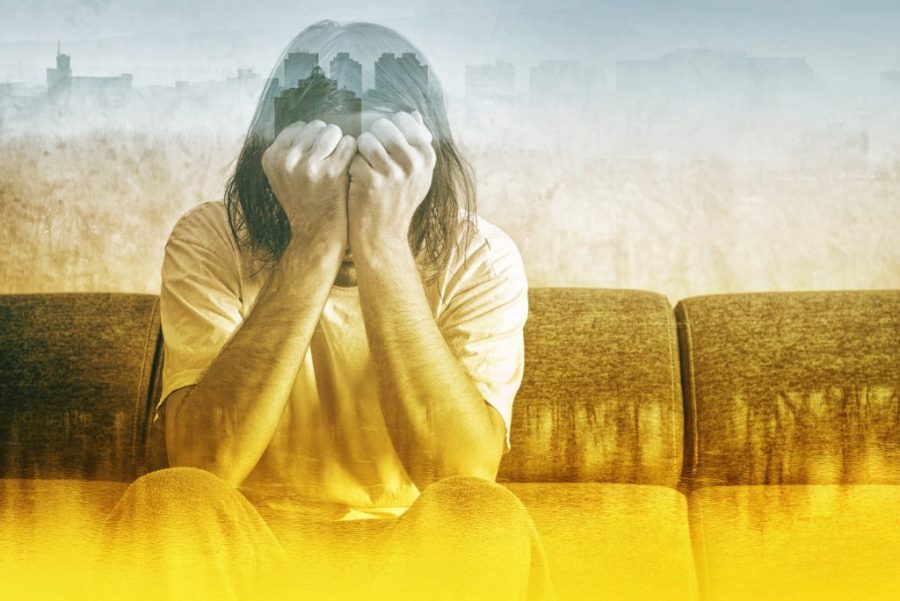
During and after a mental illness period, it is very common to become isolated from friends, family, and even partner, if you have one. It is a separation and isolation process that often occurs because we do not want to harm our loved ones or want to burden them with our problems and difficulties. Also, at other times, the lack of desire to relate to each other and lack of passion in many other vital areas (in cases of depression, especially) and the tendency to abandon oneself. The lack of understanding towards the illness of oneself and others towards us, ignorance, prejudices, and stigma are aggravating this very harsh and threatening situation for many.
People are relational agents by design that need to connect with others to support their essential growth and well-being as intimate interactions cease to happen, whether steadily and suddenly, the individual becomes much bad or sick. When the mental disorder is exacerbated and the loss of help from others when they are alone (voluntarily or voluntarily), the pain can escalate exponentially.
This exclusion from society can end up being practically total, leaving the sick person alone and helpless or feeling this way (and therefore behaving according to it) even when being with loved ones and health professionals.
At the end of this spiral of loneliness and abandonment, relationships with other people are scarce or almost nil, being the merely basic ones to survive, but not enough to live fully or recover from said illness.
People who go through this painful and complex process of isolation or social exclusion, for the most part, do not want to be or feel alone, although at first, they may have felt comfortable or safe in that undoubtedly toxic solitude.
How do you fall into isolation?
It starts by steadily dividing individuals, loved ones, relatives, mates, spouses, etc. Then reasons are created for not attending social activities, including those in which our nearest community is active or not leaving home. People who are at an advanced point of the isolation period sometimes tend not to get out of bed because they do not want or like the need to confront life or disease. After all, it is too late to go back or don’t know how to do it. This creates misery, whether one is motivated and unwilling or thinks like little can be accomplished to guarantee that one ends up alone. It has already been said, humans are social creatures, and, whether they are either ill, they get worse without contact with the social world, or they get worse.
How to get out of isolation?
Being willing to face and change our behavior towards our environment, being ready to get out of the false comfort and security that loneliness can give, not letting isolation take over our lives, not abandoning ourselves or leaving aside our love, caring, or reference people.
The change is or begins with ourselves, and we must stop isolation before it grows older and can have serious consequences on our health.
A change of attitude is necessary: opening up to others, communicating without fear how we feel, how we are, how we want to be treated, etc., …
You can start by admitting and explaining the problem that you are going through naturally and de-dramatizing it, requesting help to overcome it is quite important, speaking from the feeling and emotion that are happening in us at the time of interaction makes us more humans and closer to others, inviting understanding and empathy to appear (not pity).
Sometimes, social skills training is necessary to recover the relationship and interaction tools that we have lost, always through professionals in the environment. Once these skills have been rehearsed and relearned, it will be easier for us to relate to our environment properly.
With perseverance and perseverance, and even gradually, we will expose ourselves to social situations of all kinds that make us enjoy and feel good and comfortable, including also from time to time, more formal social situations to interact at different levels or in different areas of personal development (friends, partner, work, …).
You can reconnect with old friends (although it may seem difficult, it is not impossible) or you can find new friends or acquaintances with whom to relate through shared leisure activities, group sports, hobbies or hobbies to carry out with others people and so, a good amount of options. Options and opportunities must be sought and used every time they arise since they do not appear alone. As I have already said, change begins in us and from us.
It is not about making a large number of friends or contacts, or desperately begging for friendship, but about knowing how to select quality relationships and knowing how to maintain them in a propitious way.
For mental illness, you can get Kentucky case management services.
 The Response Blog